The Swivel & Seal: Matching Your Reel To What Runs Through It
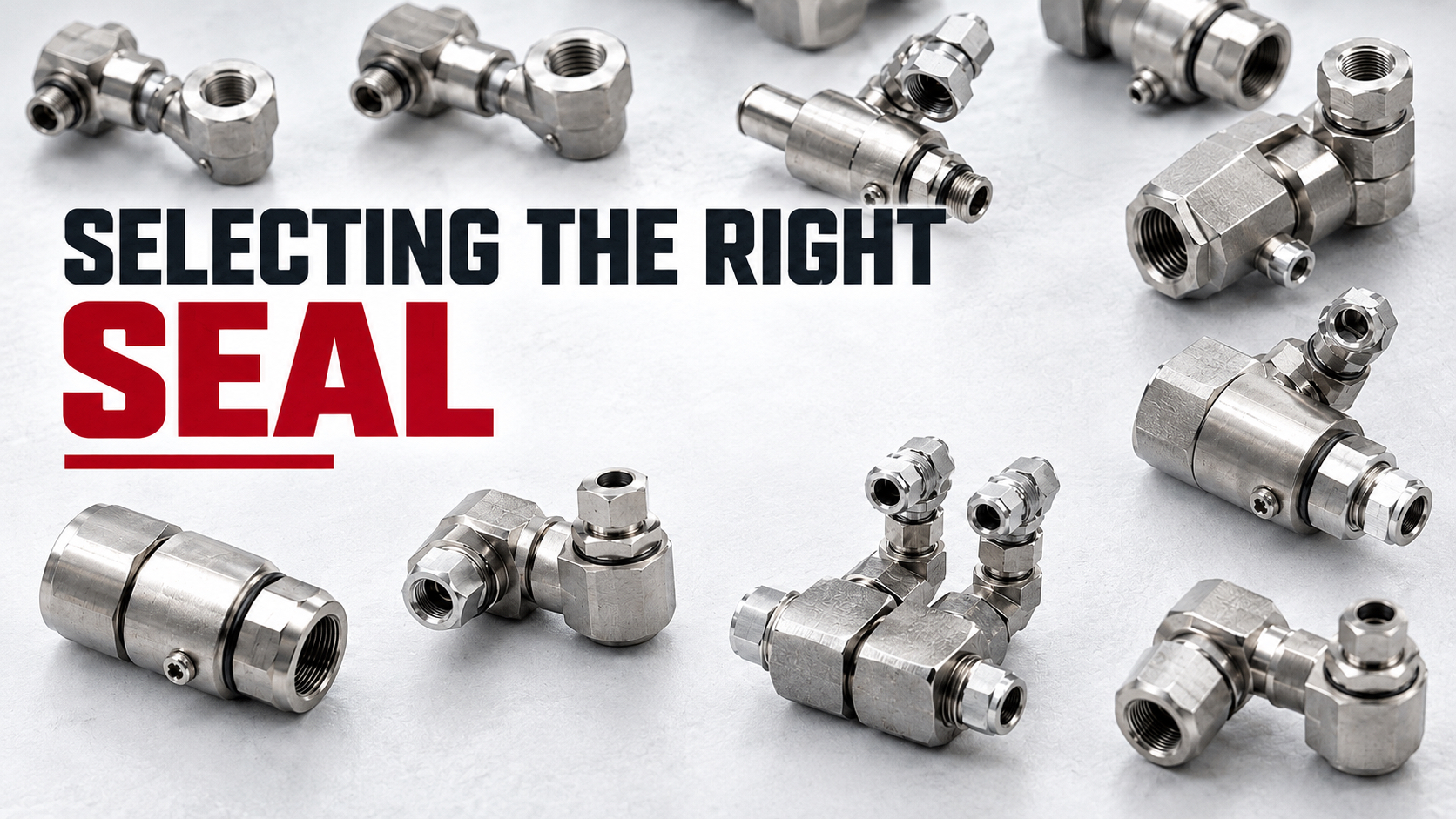
The swivel is where the fluid passes and one of the hardest-working parts of any reel. Here’s why the seal inside it matters, and the easiest way to choose the right one. On a fluid reel, the swivel allows the reel to rotate while staying connected to the supply line. Every drop of water, air, oil, fuel, or chemical passes through it. Inside the swivel is a seal, and that seal is the component most responsible for keeping the reel operating leak-free. Choose the right seal for the application, and the reel can provide years of reliable service. Choose the wrong one, and leaks, pressure loss, and premature wear are often the result.
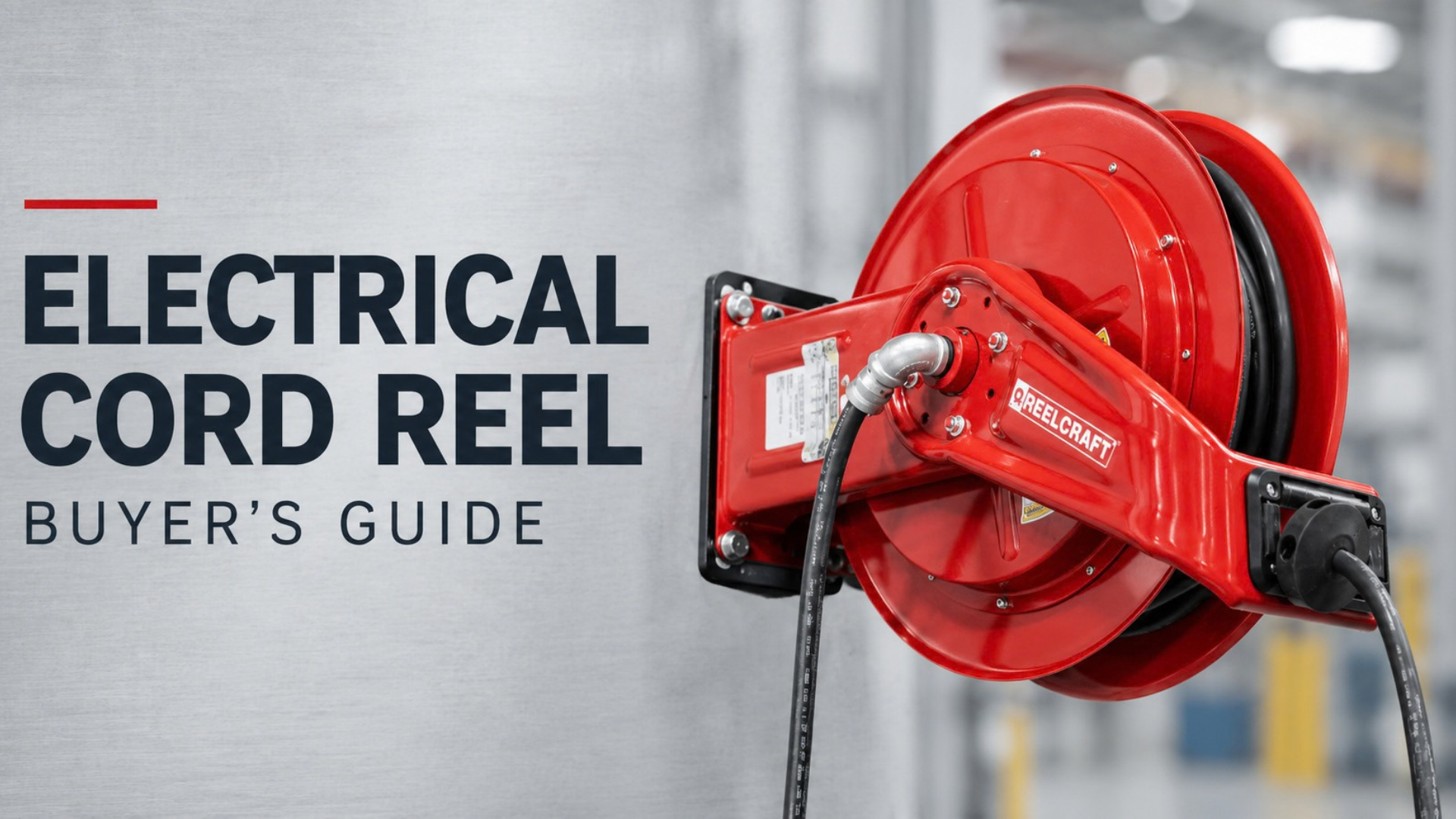
How to Choose an Electrical Cord Reel: A Buyer’s Guide

Five decisions get you to the right reel: the load, the length, the outlets, the environment, and the build. A cord reel is one of those tools you don’t think about until the wrong one is fighting you: too little power, not enough reach, too few outlets, or a reel that isn’t built for its environment. Pick the right one and it simply gets power where you need it while keeping cords off the floor. Here are the five decisions that actually matter, in the order that matters.

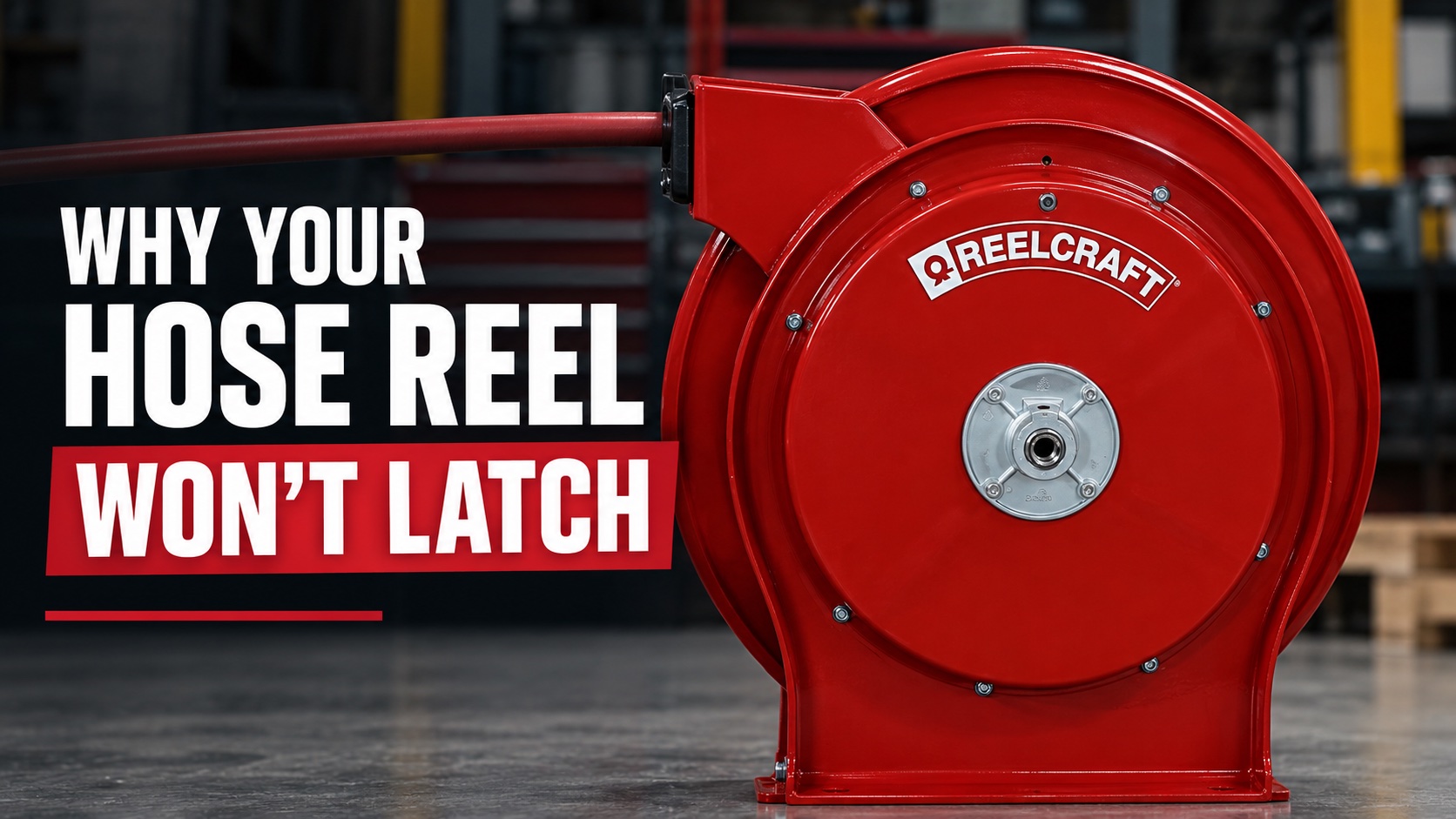
Why Your Hose Reel Won’t Lock or Retract

You pull the hose out, let go, and it takes off back to the drum. Or it won’t pull back in at all. Here’s what’s happening inside the reel, and how to fix it. It’s one of the most common complaints about any retractable reel: you pull out the length you need, let go, and instead of holding, the whole thing takes off back to the drum. Or the opposite happens, and the hose won’t retract at all. The good news is that almost every version of this comes down to a handful of causes, and most are a quick adjustment rather than a dead reel. Here’s how a spring reel actually holds its position, why it stops doing that, and what to do about it.